LGBTQ+ Information and Advice

The acronym LGBTQ+ stands for Lesbian, Gay, Bisexual, Trans, Queer, and all other gender/sexuality identities. Below is a brief summary of the more commonly known identities, as well as links to resources.

Please note: this list is not exhaustive

Commonly Known Sexualities
  • Lesbian – You’re attracted to people who are female presenting

  • Gay – You’re attracted to people who are male presenting
  • Bisexual/Pansexual – You’re attracted to all genders 

    • (These terms can be used interchangeably and are just based on preference)

  • Queer – A blanket term to use when you’re unsure, or just because you prefer the terminology 

    • (This can be used by all identities)

  • Asexual – You don’t feel sexually attracted to anyone

  • Demisexual – You only feel sexually attracted to people you are close with/or you don’t feel much sexual attraction to most people

  • Aromantic – You don’t feel romantically attracted to anyone
  • Monogamous – You want a relationship with a single person

  • Polyamorous – You want relationships with more than one person

  • Demiromantic – You only feel romantically attracted to people you are close with/or you don’t feel much romantic attraction to most people

  • Female – You present as female

  • Male – You present as male

  • Transgender – a term used to describe when someone has transitioned from one gender to another

  • Non-binary – You don’t identify exclusively to the male/female gender

  • Gender fluid – Your gender is not set and changes between the identities
  • The Trevor Project – A hub containing all the information and resources you’ll need

  • The BeYou Project – They offer a safe, welcoming and inclusive space where LGBTQ+ young people can meet, socialise and find the support they need.

Regardless of whether you don’t identify as a member of the LGBTQ+ community or even if you don’t necessarily understand how people can feel a certain way, it is important to respect people’s feelings. Everyone deserves to be treated equally, especially because gender and sexuality is not a choice. 


/help will always be here to support the LGBTQ+ community and we are totally inclusive. Everyone is welcome.

Famous LGBTQ+ People


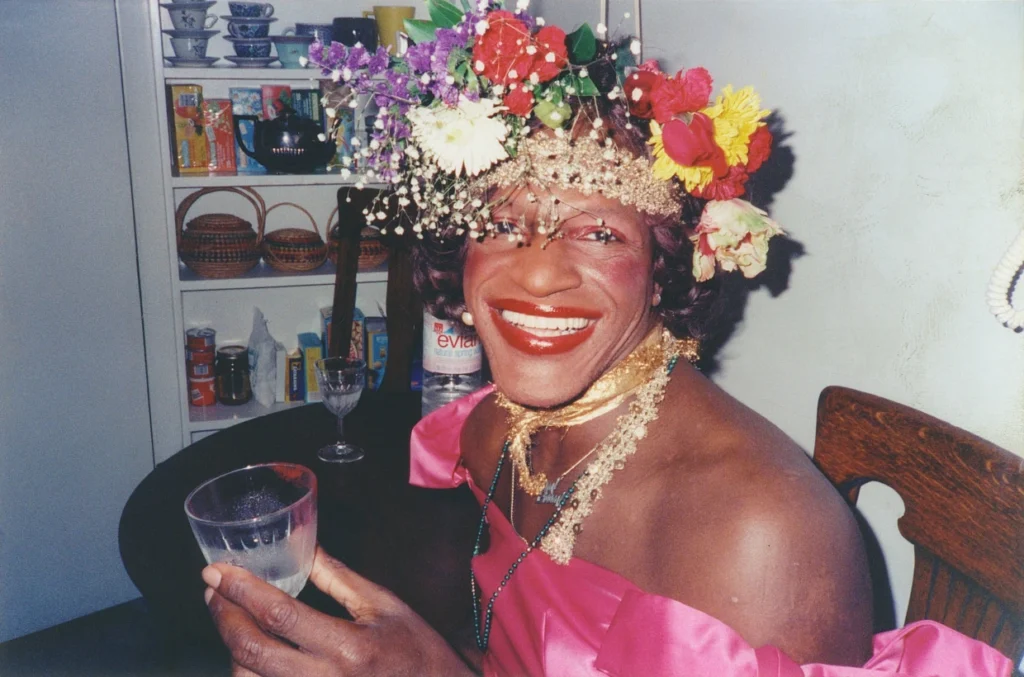
Marsha P. Johnson was a fearless activist who played a key role in the Stonewall uprising of 1969. Her work for homeless LGBTQ+ youth, the transgender community, and those affected by H.I.V and AIDS, made her a true hero in the LGBTQ+ community, and she did it with a smile.


Alan Turing played an important role towards ending World War II, cracking something called the Enigma code, which shortened the war by several years. Despite this, Turing faced persecution for his homosexuality, which was criminalised in the UK at the time.


Maureen Colquhoun was the first openly lesbian MP in the UK. Throughout her political career, she championed women’s rights, LGBTQ+ equality, and social justice. This bravery in living openly still inspires politicians and activists to this day.


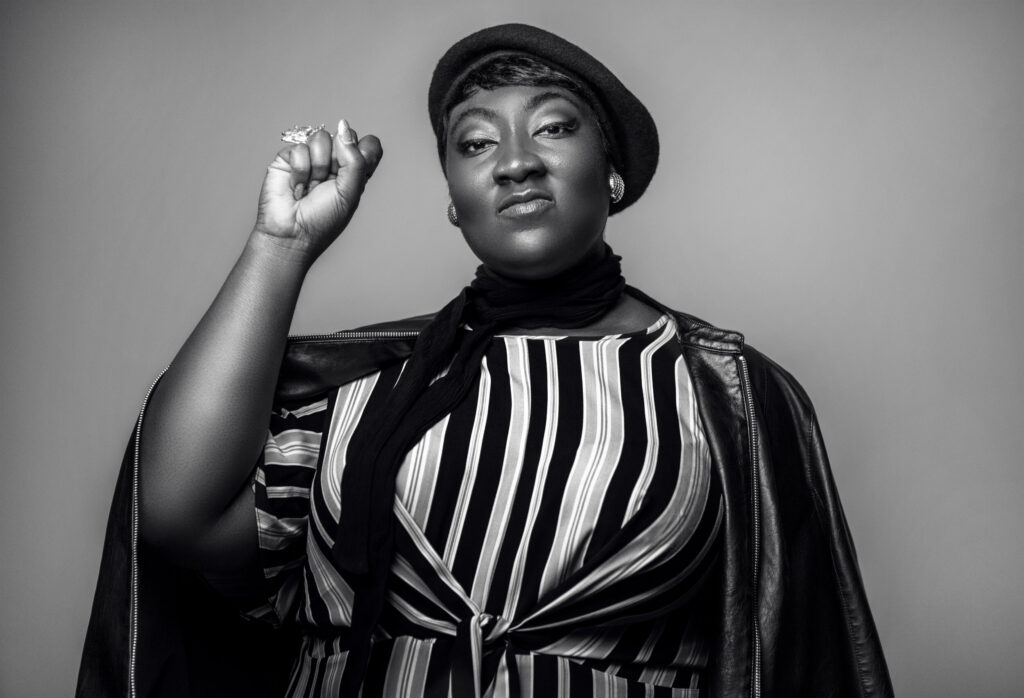
Phyll Opoku-Gyimah also known as Lady Phyll, is a powerhouse in the fight for LGBTQ+ rights, particularly for people of color. As the co-founder of UK Black Pride, she has created a vital space for LGBTQ+ people from margianalised communities.


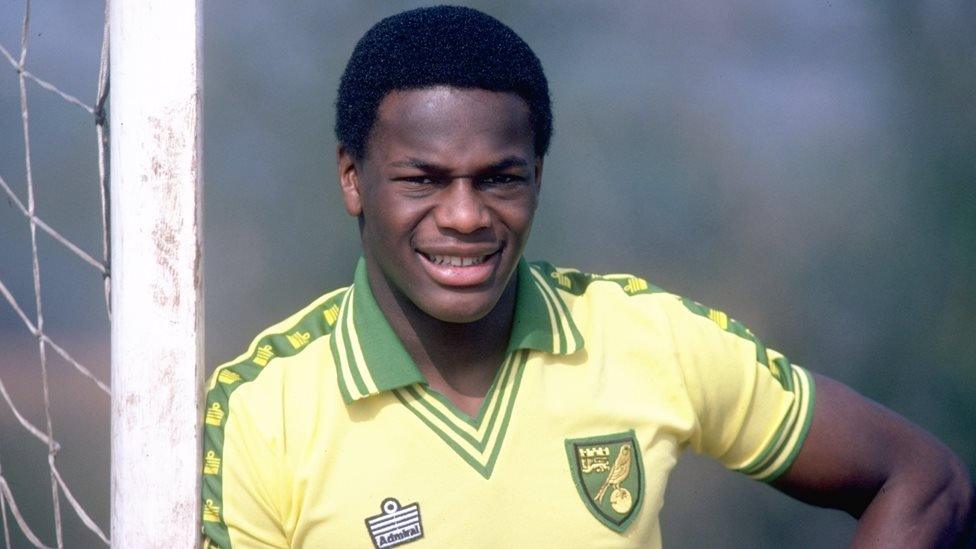
Justin Fashanu was the first professional footballer to come out as gay, breaking barriers in a sport that often discouraged LGBTQ+ voices. Despite facing immense pressure and discrimination, Fashanu paved the way for greater acceptance in the world of sports.


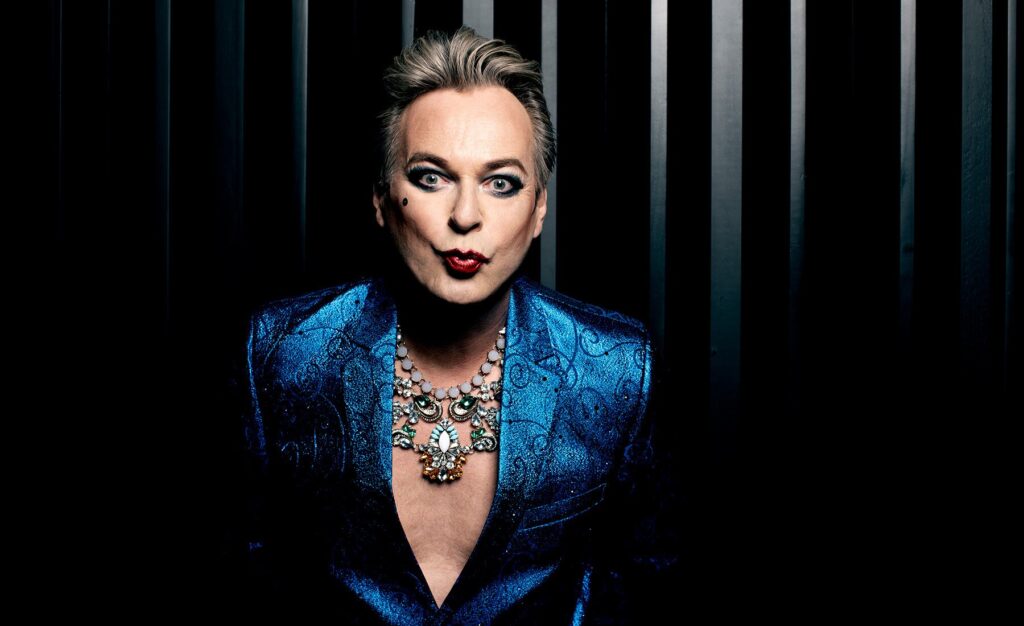
Julian Clary is a pioneering comedian and entertainer who has used his witty and flamboyant persona to challenge stereotypes and bring LGBTQ+ visibility to mainstream media.


Elton John is not only one of the world’s most successful musicians but also a powerful advocate for LGBTQ+ rights and H.I.V/AIDS awareness. Through his music and his activism, he has used his platform to raise awareness, fight stigma, and support countless charitable causes.


Pearl Alcock was a Jamaican-born artist and LGBTQ+ activist who created safe spaces for the Black queer community in London during the 1970s and 1980s.