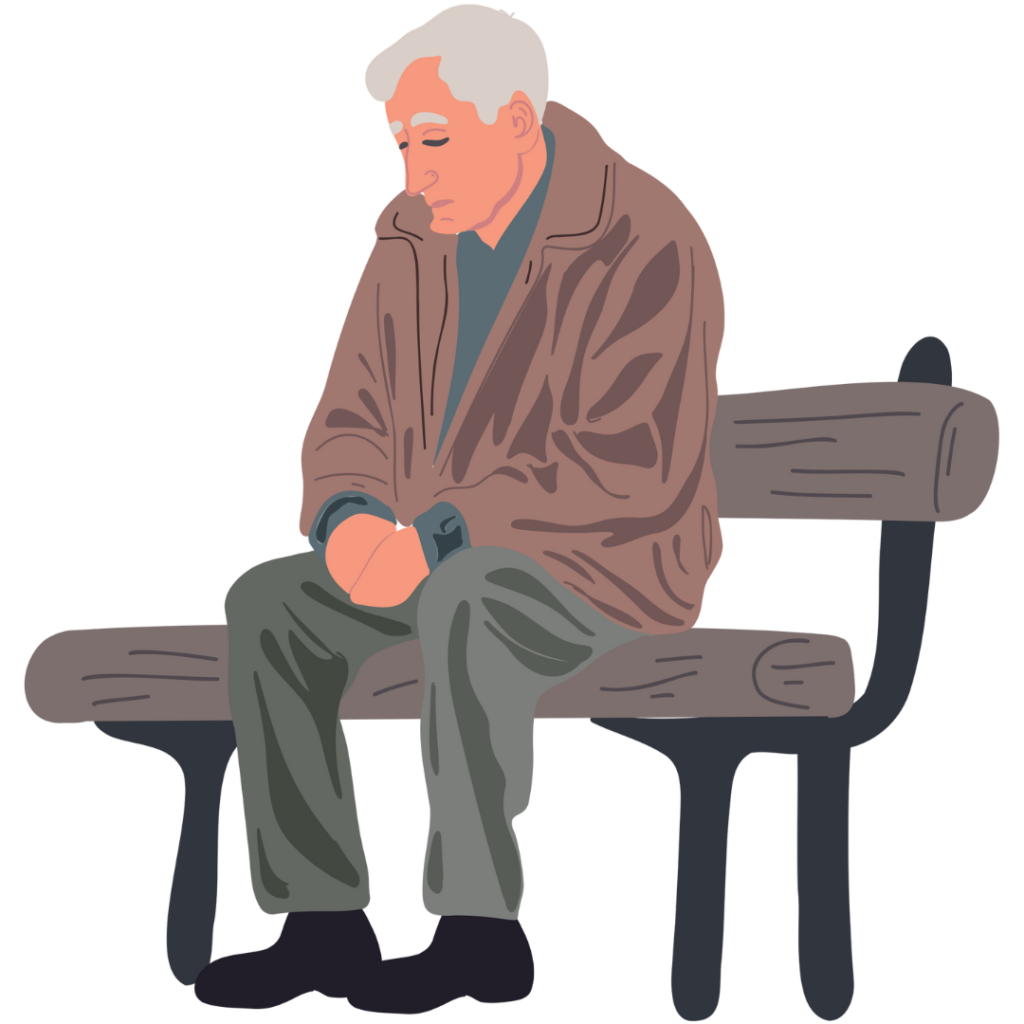
Loss is always a difficult thing so we all deal with it in different ways.
Below is some advice on how to deal with it and some resources to help you in your day to day life.
Types of Loss
Estrangement
Estrangement is when you are no longer in contact with family, friends, or loved one, generally due to a disagreement, conflict, or disruption. This can feel very isolating for the person experiencing the loss. The mental and physical manifestation of estrangement can feel similar to that of actually losing the loved one. Some people may underestimate the feelings you may feel as they have likely never experienced that themselves.
Financial
Financial loss can feel overwhelming and may lead to you starting to panic and worry. It can be experienced when you lose a flow of income, eg. work, benefits, loans, when you lose assets or investments, or even through scams. It can feel impossible to navigate and a difficult situation to process.
Life changing illness or injury
Recovering from a life-changing illness or injury can greatly impact your mental health. It is often an overlooked type of loss but can be as or even more damaging than the other forms of grief. Any illness or injury that impacts your ability to do things you used to be able to do can be classified as life changing. Even illnesses like Long Covid.
Relationship loss
This is a little different to estrangement because it involves friends and significant others. This can manifest after a divorce, separation, or losing touch with a person. When a relationship ends, you may grieve that loss and it can be very painful and overwhelming. It takes time to adjust to the new change in your life and to understand how to live life without that person.
Time loss
Another overlooked form of grief is time loss. This has been particularly significant since the global pandemic where many people feel like they lost important years of their lives. Whether it be school, college, university, first years of work, or time with loved ones, this grief can be just as painful as the others in this list.
Loss of life
When we talk about grief, we most often associate it with a loss of a loved one or someone we know. This can be very painful whether it is sudden or expected. Losing a loved one can be very difficult to navigate and can result in other forms of grief manifesting.
How Grief Manifests
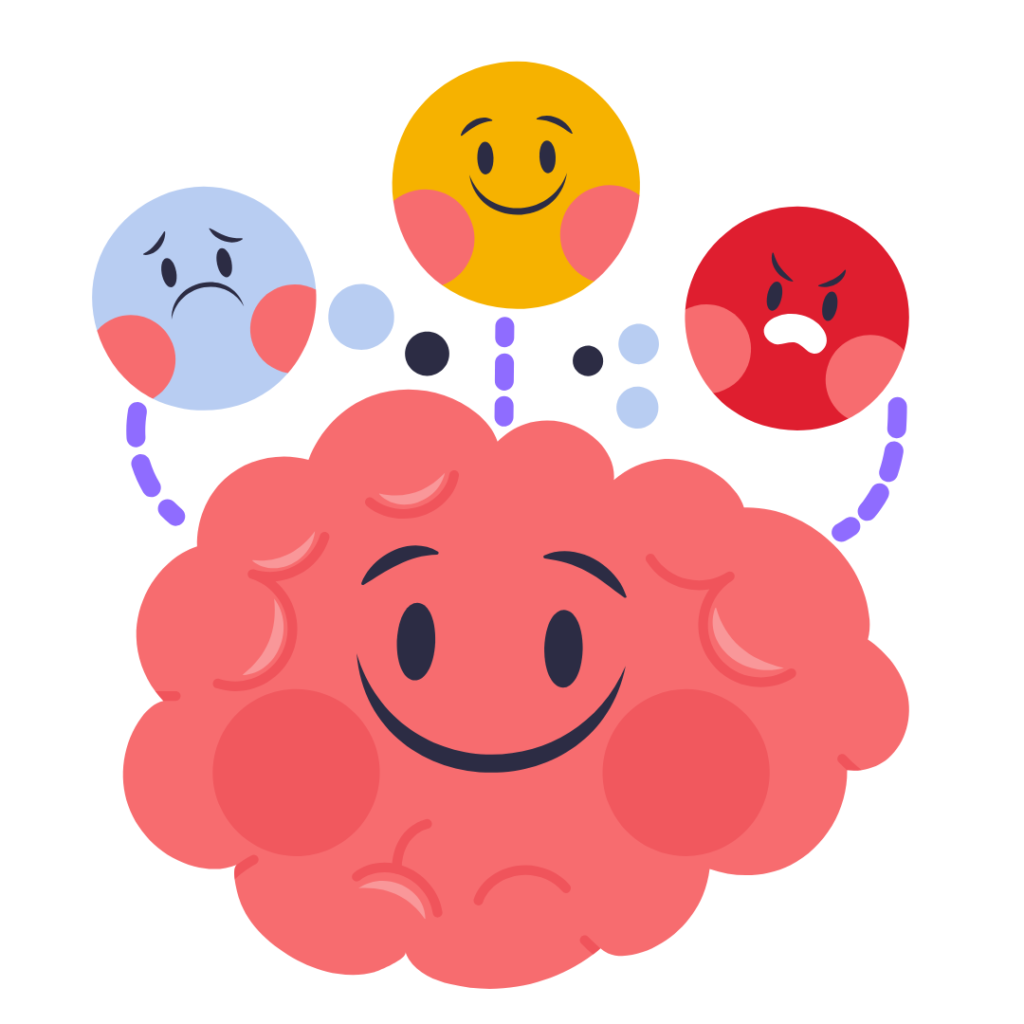
Grief can manifest in many different ways and entirely depends on the person and/or the situation. It can be seen as a mental manifestation, physical, emotional, or social.
Physical Symptoms
Headaches
Nausea
Restlessness
Upset stomach
Heart palpitations
Weak muscles or joint pain
Tightness in your chest or throat
Trouble sleeping (insomnia) or sleeping too much
Digestive problems like constipation, diarrhoea, stomach pain, queasiness, and nausea
Weight changes like gaining a few pounds, under-eating, or not eating regularly
Emotional Symptoms
Sadness
Loneliness
Fear
Anxiety or resentment and anger
Guilt
Blame
Relief
Mental Symptoms
Difficulty concentrating and making decisions
Changes to your sense of identity
The belief that your future is disrupted
Avoiding thinking about the loss
Being unable to stop thinking about the loss
Social Symptoms
Loneliness
Boredom
Social withdrawal
Lack of confidence
Emotional sensitivity
Self-consciousness
Difficulties developing new relationships
If you or someone you know is showing these symptoms, take a look at the resources below.
Specific Websites for Bereavement
AtaLoss – Advice and guidance on all types of bereavement
Grief Channel – A full list of websites and helplines specifically for loss
As of right now, we don’t have the resources to offer specialist advice and support, but we have our listening service that’s accessible via our discord. You are never alone in this, we are here for you and so are countless other charities and loved ones.